
Suggestions
Journal Information

Most cited

Data available in articles published since the year 2014

8
Climate change and biodiversity in Brazil: What we know, what we don’t, and Paris Agreement’s risk reduction potential
Artur Malecha, Stella Manes, Mariana M. Vale
Perspectives in Ecology and Conservation. 2025;23:77-84
8
Highlights

  • We synthesize knowledge on the impacts of climate change on Brazil’s biodiversity.

  • The greatest predicted impact is in the Pantanal, and the lowest in the Pampa.

  • There are still large knowledge gaps due to spatial and taxonomic biases in studies.

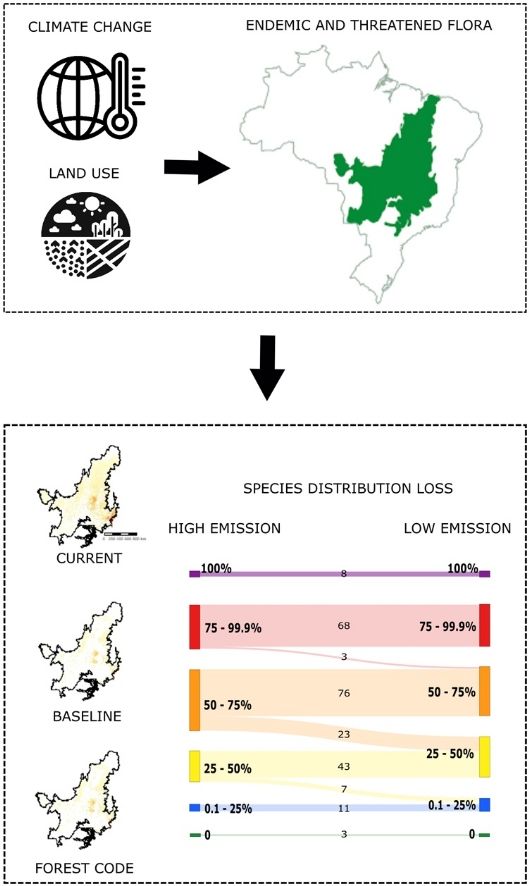
  • Paris Agreement could reduce impacts by 21% and cut extinction risk by half.

Full text access
8
High-diversity Atlantic Forest restoration plantings fail to represent local floras
Crislaine de Almeida, J. Leighton Reid, Renato A. Ferreira de Lima, Luis Fernando Guedes Pinto, Ricardo Augusto Gorne Viani
Perspectives in Ecology and Conservation. 2025;23:6-11
8
Highlights

  • Forest restoration plantings have lower beta diversity than remnant forests.

  • Plantings are more floristically similar to one another than to regional forests.

  • Trees planted to restore the Atlantic Forest poorly represent local floras.

Full text access
7
Belo Monte Dam impacts: Protagonism of local people in research and monitoring reveals ecosystem service decay in Amazonian flooded vegetation
A. Quaresma, G. Zuquim, L.O. Demarchi, C.C. Ribas, F. Wittmann, A.M. Assunção, C.C Carneiro, P.P. Ferreira, ... R. Cruz e Silva
Perspectives in Ecology and Conservation. 2025;23:39-50
7
Highlights

  • Belo Monte Dam diverted water from Xingu River, drastically reducing the high-water season.

  • This triggered an Independent Monitoring of flooded forests led by Xingu inhabitants.

  • Monitoring provided evidence of ecosystem services decay in flooded forests.

  • Some examples are high vegetation mortality, invasive species, and phenological disruption.

  • Current hydrological conditions are threatening the environment and people's livelihoods.

Full text access
5
Passando a boiada: degazettement and downsizing threaten protected areas in the Brazilian Amazon
Domingos de Jesus Rodrigues, Thadeu Sobral-Souza, Tiago Shizen Pacheco Toma, Aretha Franklin Guimaraes, Thiago Junqueira Izzo, Marcos Penhacek, Flávia Rodrigues Barbosa, Neucir Szinwelski, ... Philip Martin Fearnside
Perspectives in Ecology and Conservation. 2025;23:1-5
5
Highlights

  • Biodiversity conservation requires the protection and maintenance of protected areas

  • Protected areas store carbon and regulate ecosystem processes

  • Protected areas prevent deforestation and conserve ecosystems and biodiversity

Full text access
3
Nature-based activities improve human-nature connectedness: A systematic review and meta-analysis
Kevin A. Wood, Lucy L. Jupe, Ella E. McCutcheon, Cath Cooke, Julia L. Newth
Perspectives in Ecology and Conservation. 2025;23:219-30
3
Highlights

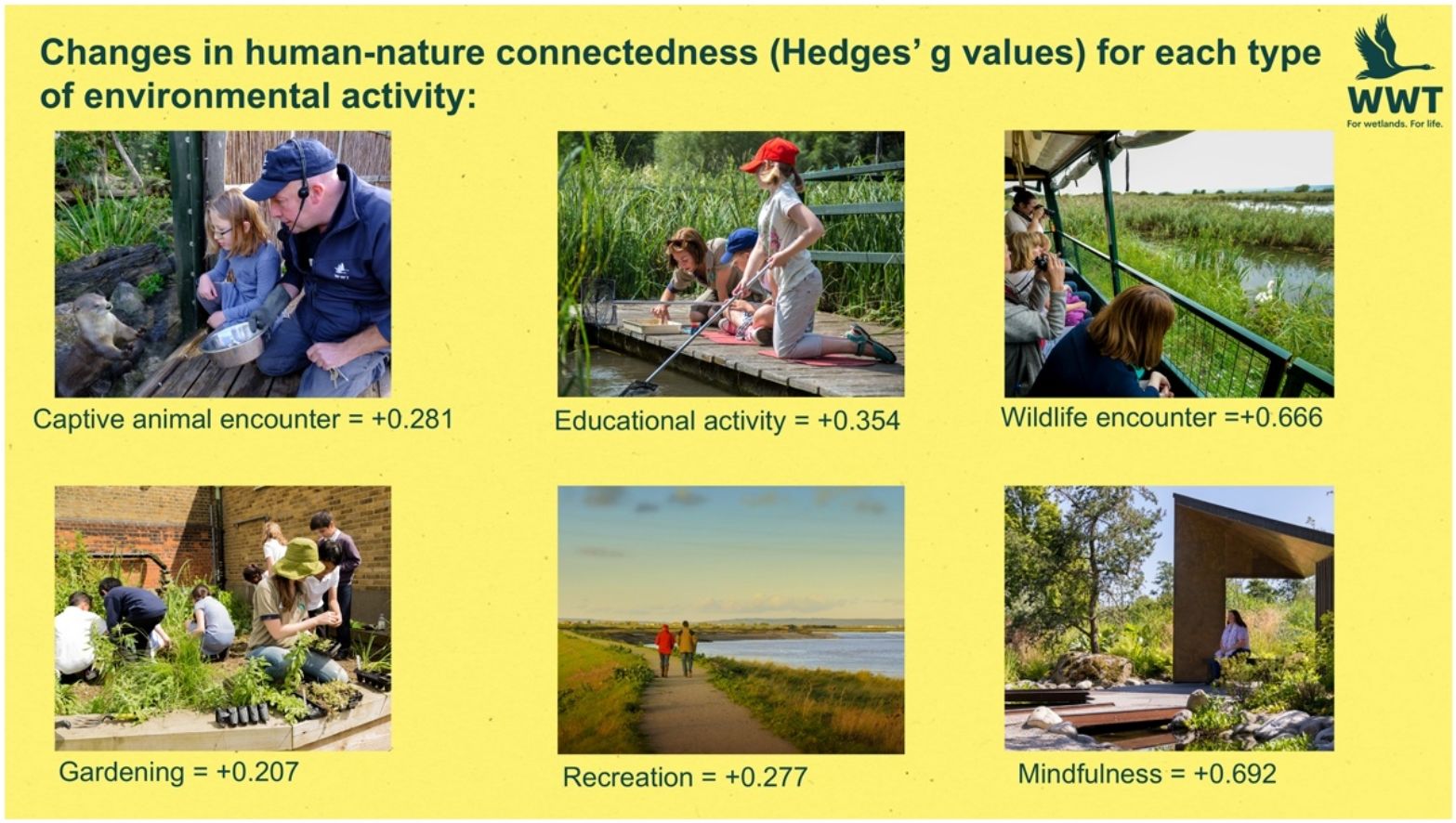
  • We reviewed changes in human-nature connectedness linked to 6 environmental activities.

  • Human-nature connectedness increased most after mindfulness and wildlife encounters.

  • Human-nature connectedness increased most after activities carried out over 2–7 days.

  • Changes in human-nature connectedness did not vary between adults and children.

  • Activities facilitated by conservation organisations foster human-nature connectedness.

Full text access
3
Climatic driver of chytrid prevalence in the Critically Endangered Admirable Redbelly Toad
Mariana Retuci Pontes, Michelle Abadie, Luisa P. Ribeiro, Guilherme Augusto-Alves, Márcio Borges-Martins, C. Guilherme Becker, Luís Felipe Toledo
Perspectives in Ecology and Conservation. 2025;23:208-13
3
Highlights

  • First record of chytrid in the microendemic Melanophryniscus admirabilis;

  • Chytrid was consistently infecting the only known M. admirabilis population;

  • Temperature influences chytrid dynamics in a threatened toad population;

  • Chytrid had no effect on the body condition of M. admirabilis.

Full text access
3
Wildfires and their toll on Brazil: Who's counting the cost?
Ernandes Sobreira, Wilkinson Lopes Lázaro, Breno Dias Vitorino, Angélica Vilas Boas da Frota, Carlos Eduardo Frickmann Young, Derick Victor de Souza Campos, Cleverson Ricardo Soares Viana, Edvagner de Oliveira, ... Juliano A. Bogoni
Perspectives in Ecology and Conservation. 2025;23:214-7
3
Highlights

  • Wildfires in Brazil cause billion-dollar losses, harming biodiversity, health, and the economy.

  • Wildfire spreads toxic smoke across South America, straining the healthcare system.

  • Wildfires cause massive biodiversity loss, and we barely know how to measure it.

  • Despite substantial economic losses in tropical habitats, the Global South remains a low priority.

Full text access
2
Green royalties: Keeping offshore Amazon free of oil
André L. Guimarães, Álvaro M. Batista, Yuri Telles, Anna C.F. Aguiar, Fabio R. Scarano, Paulo Moutinho
Perspectives in Ecology and Conservation. 2025;23:70-6
2
Highlights

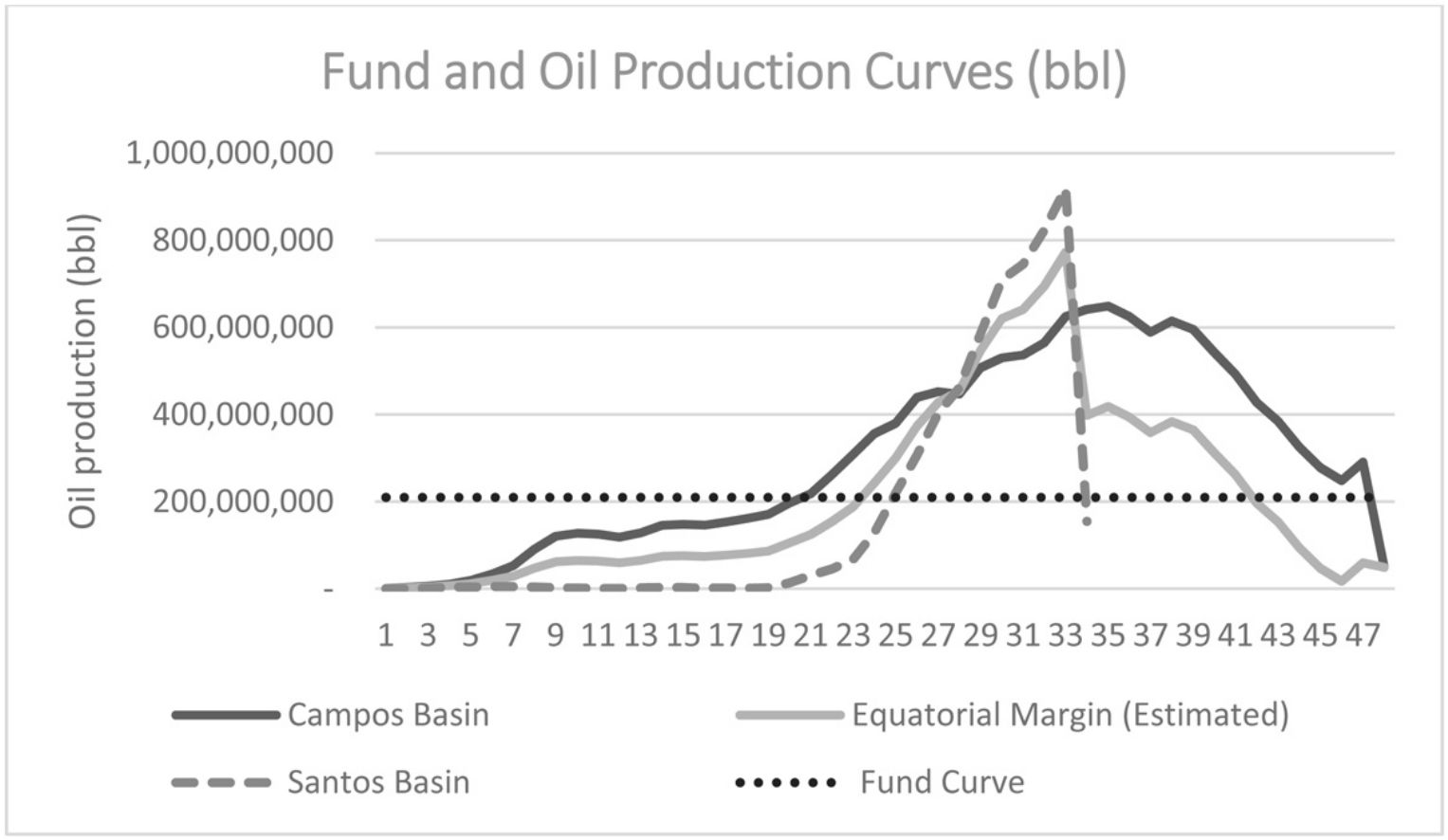
  • Brazilian Amazon offshore is potentially becoming a new frontier for oil exploration.

  • This contradicts national and global pledges to fight planetary crises.

  • Sub-national governments often rely on the consequent distribution of oil royalties.

  • We propose that this is replaced by a Green Royalty Fund of USD 19.9–33.1 billion.

  • Implementation would align with local and global biodiversity and climate pledges.

Full text access
2
Ensuring the quality of historical data for wildlife conservation: A methodological framework
Norma I. Díaz, Paulo Corti
Perspectives in Ecology and Conservation. 2025;23:32-8
2
Highlights

  • Written historical records are crucial for enhancing wildlife knowledge.

  • Significant limitations and biases are detected in historical sources.

  • A seven-step process is provided to enhance the accuracy and reliability of historical information.

  • This approach improves the efficiency and effectiveness of conservation research.

Full text access
2
Forest fragmentation in the Brazilian Amazon: Trends and conservation strategies
Pedro Trejo, Claudia Azevedo-Ramos, Felipe Lenti
Perspectives in Ecology and Conservation. 2025;23:104-9
2
Highlights

  • Amazon forest fragmentation shows an increase in fragments and reduction in size in three decades.

  • The Amazon's fragmentation trajectory shifts from Core to Connector to Background.

  • Central Amazon demands target conservation to avoid fragmentation like Eastern Amazon.

  • Secondary forest may be used to reverse fragmentation.

  • Fragmentation metrics and trajectory nourish conservation actions.

Full text access
Perspectives in Ecology and Conservation