

Share

Journal Information
Issue
 Vol. 24. Issue 4.
Pages 363-460
(October - December 2026)
Essays and perspectives
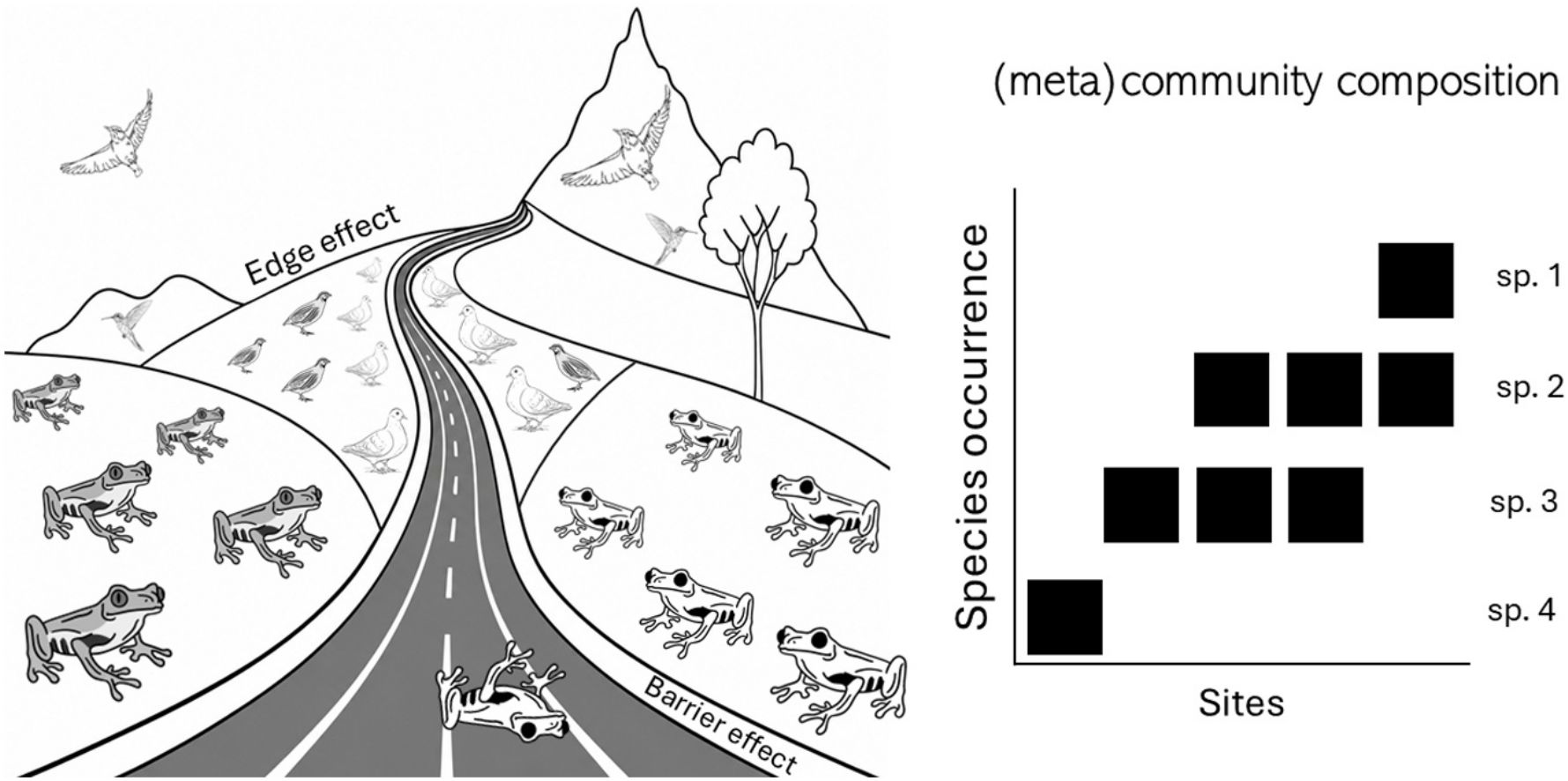
Causal effects of roads on community assembly in tropical forests
Daniela Bôlla, Pedro Pequeno, Clarissa Rosa, Mariane Bosholn, Sergio Santorelli Santorelli Junior
Perspectives in Ecology and Conservation. 2026;24:363-72
Highlights
- •
Roads threaten biodiversity, but how they shape (meta)community structure through community assembly processes is unclear.
- •
We discussed how roads can affect compositional change by shaping community assembly processes and their interactions.
- •
We used the BR-319 highway in the Amazon as an example.
- •
We suggest new approaches using simple causal diagrams and a specific sampling design to guide future studies on the impact of roads.
- •
Understanding interactions among ecological processes and their role in (meta)community dynamics could help develop effective conservation.
Full text access
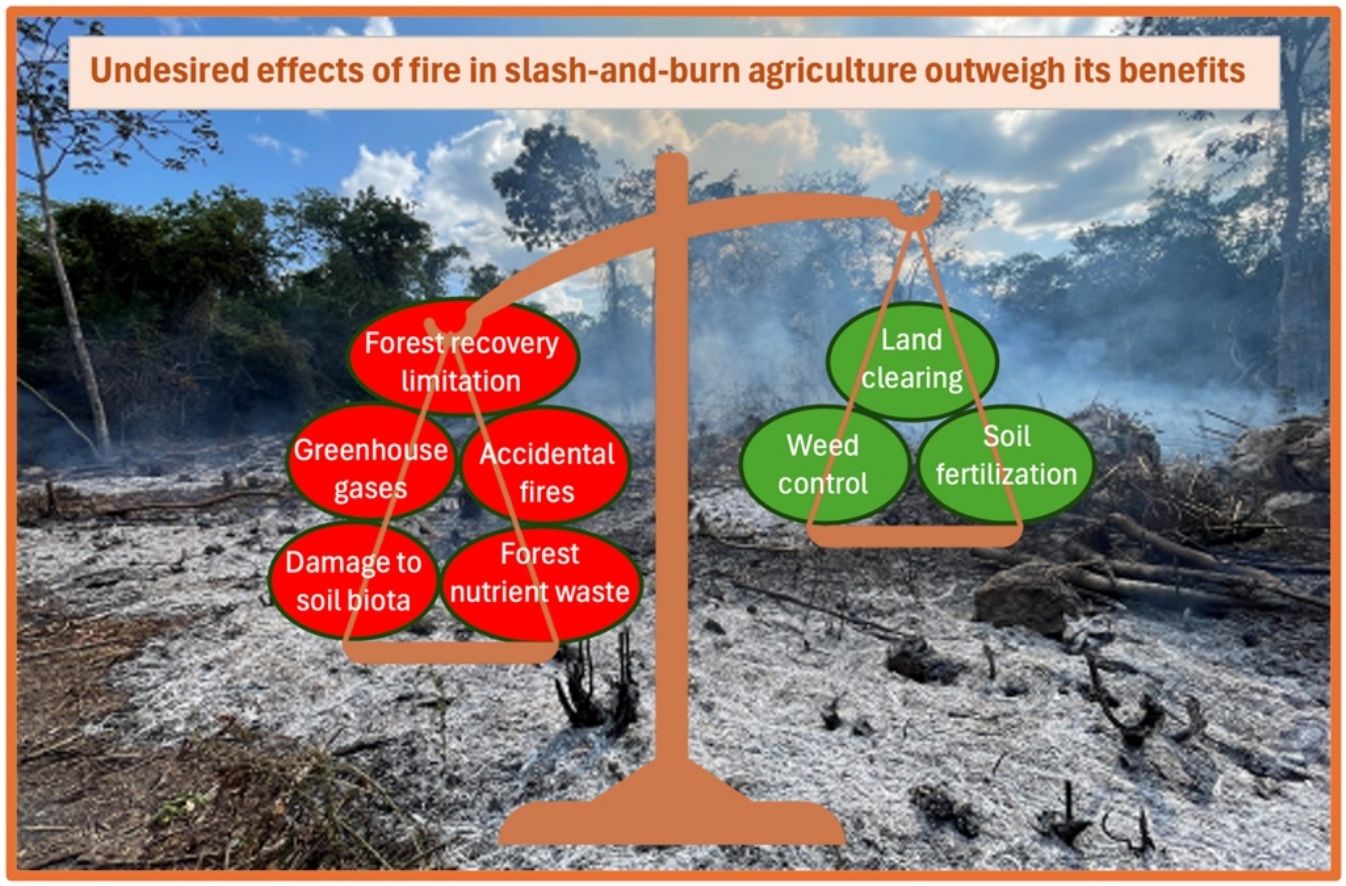
Turned to ashes: the environmental costs of using fire in slash-and-burn agriculture outweigh its benefits
Jakelyne S. Bezerra, Víctor Arroyo-Rodríguez, Jorge A. Meave
Perspectives in Ecology and Conservation. 2026;24:373-83
Highlights
- •
Fire in slash-and-burn agriculture clears land but wastes most forest nutrients.
- •
Ash increases soil nutrients but fertilization is short-term and surface-limited.
- •
Fire promotes weed control but also hinders succession and forest recovery.
- •
Fire-driven nutrient losses emit gases, fueling climate change.
- •
Slash-and-burn agriculture increases wildfire risk, biodiversity loss, and soil damage.
Full text access
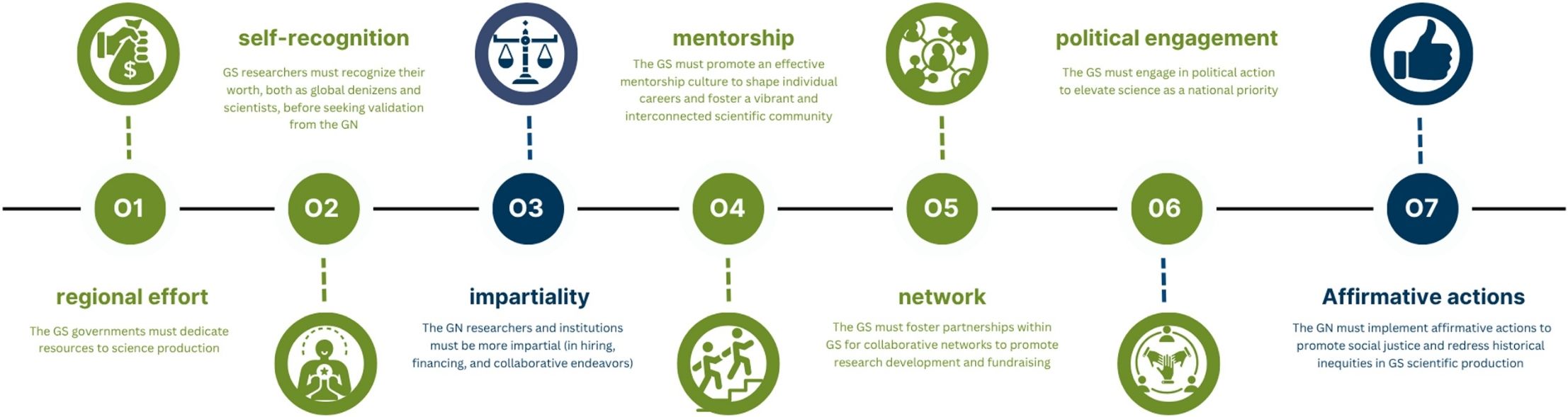
Diverse perspectives, shared goals: harnessing the power of global south science
L.M. Diele-Viegas, A. Sengupta, F. Dias-Silva, A. Bang, S.A. Lambertucci, L Sravanti, M.A. Aizen, L.E.O. Gomes, ... F. Virginio
Perspectives in Ecology and Conservation. 2026;24:384-8
Highlights
- •
Global science is structured as a hierarchy that marginalizes Southern knowledge.
- •
Inequities are maintained by linguistic, financial, and extractive research barriers.
- •
The exclusion of Southern voices limits our ability to solve planetary-scale crises.
- •
We propose seven interdependent pathways to rebalance power in global science.
- •
True sustainability requires a diverse, representative, and resilient scientific ecosystem.
Full text access
Policy forums
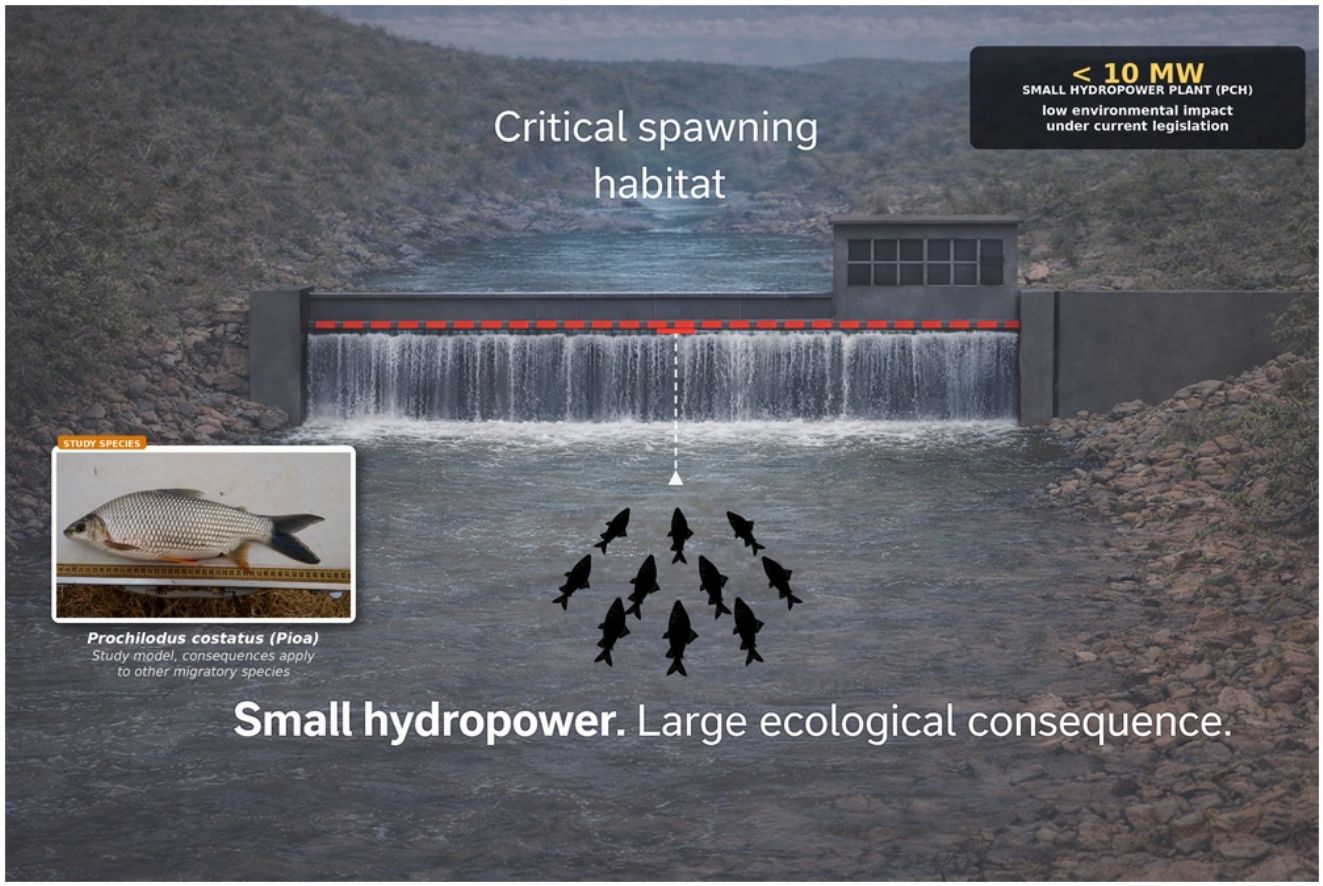
Small hydropower plants, large consequences: why low environmental impact in legislation does not mean low impact on migratory fish
Alexandre Peressin, Stephannie Fernandes, Ivo Gavião Prado, João de Magalhães Lopes, Paulo Santos Pompeu
Perspectives in Ecology and Conservation. 2026;24:389-93
Highlights
- •
Brazilian environmental legislation relies on installed capacity as a proxy for environmental impact of hydropower projects.
- •
Hydropower projects classified as small (less than 10 megawatts) can block critical spawning habitats.
- •
Dam location relative to life-cycle critical habitats is more important than generating capacity for migratory fish.
- •
Effects of hydropower on migratory fish can only be properly assessed through regional ecological studies.
- •
We propose a multi-scale assessment framework integrating life-cycle dependency and basin connectivity.
Full text access
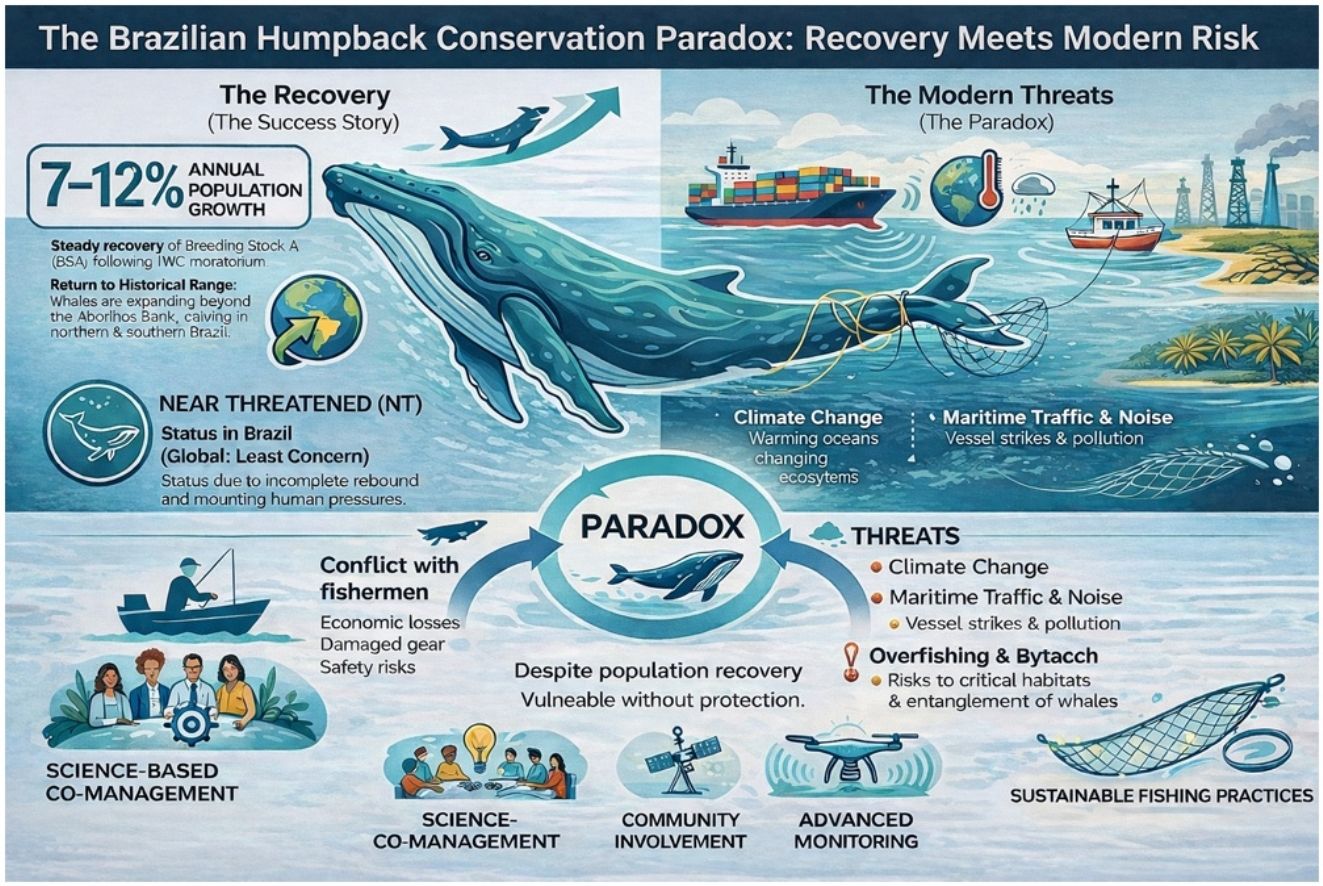
When an endangered species’ recovery became a social issue: Humpback whale and artisanal fisheries conflict in Brazil
Artur Andriolo
Perspectives in Ecology and Conservation. 2026;24:394-400
Highlights
- •
Brazilian humpback whale recovery paradox threatens artisanal fishing livelihoods.
- •
Governance gaps in RESEX and MSP limit effective whale-fisheries conflict resolution.
- •
Local Ecological Knowledge integration into co-management reduces entanglement risk.
- •
Monitoring technologies must address feasibility for small-scale fisher contexts.
- •
Six policy pathways proposed to reconcile whale recovery with coastal livelihoods.
Full text access
Research letters
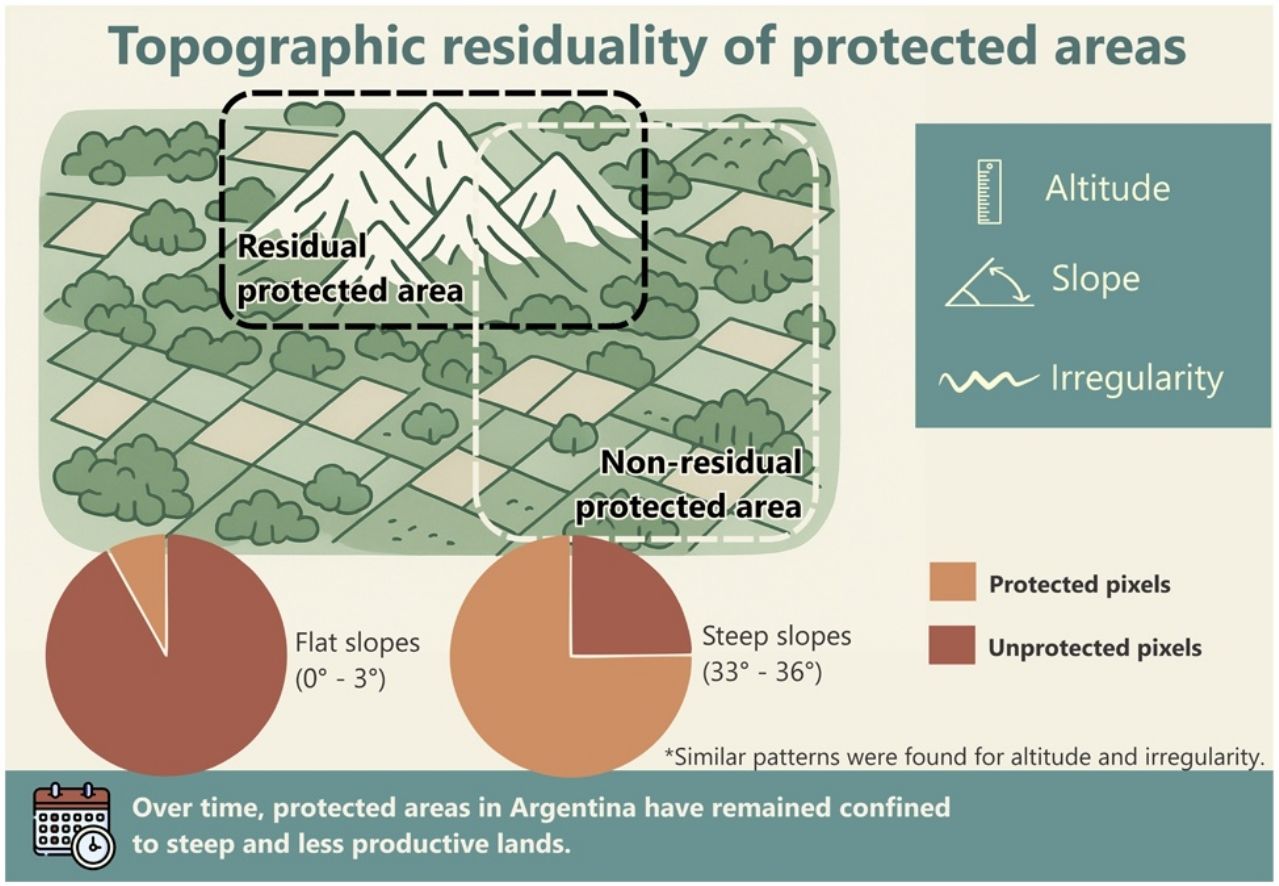
From rock and ice to political convenience: persistent biases in Argentina’s protected areas
Ana N. Tomba, Octavio Rojas-Soto, Mauricio Díaz-Vallejo, Germán Baldi, Javier Fajardo, Javier Nori
Perspectives in Ecology and Conservation. 2026;24:401-7
Highlights
- •
Strict PAs (I–IV) are concentrated in higher, steeper, and more irregular terrains.
- •
Less strict PAs (V–VI) show weaker topographic residuality.
- •
Protection increases sharply at high elevations and steep slopes.
- •
Topographic biases persist through time with no signs of correction.
Full text access
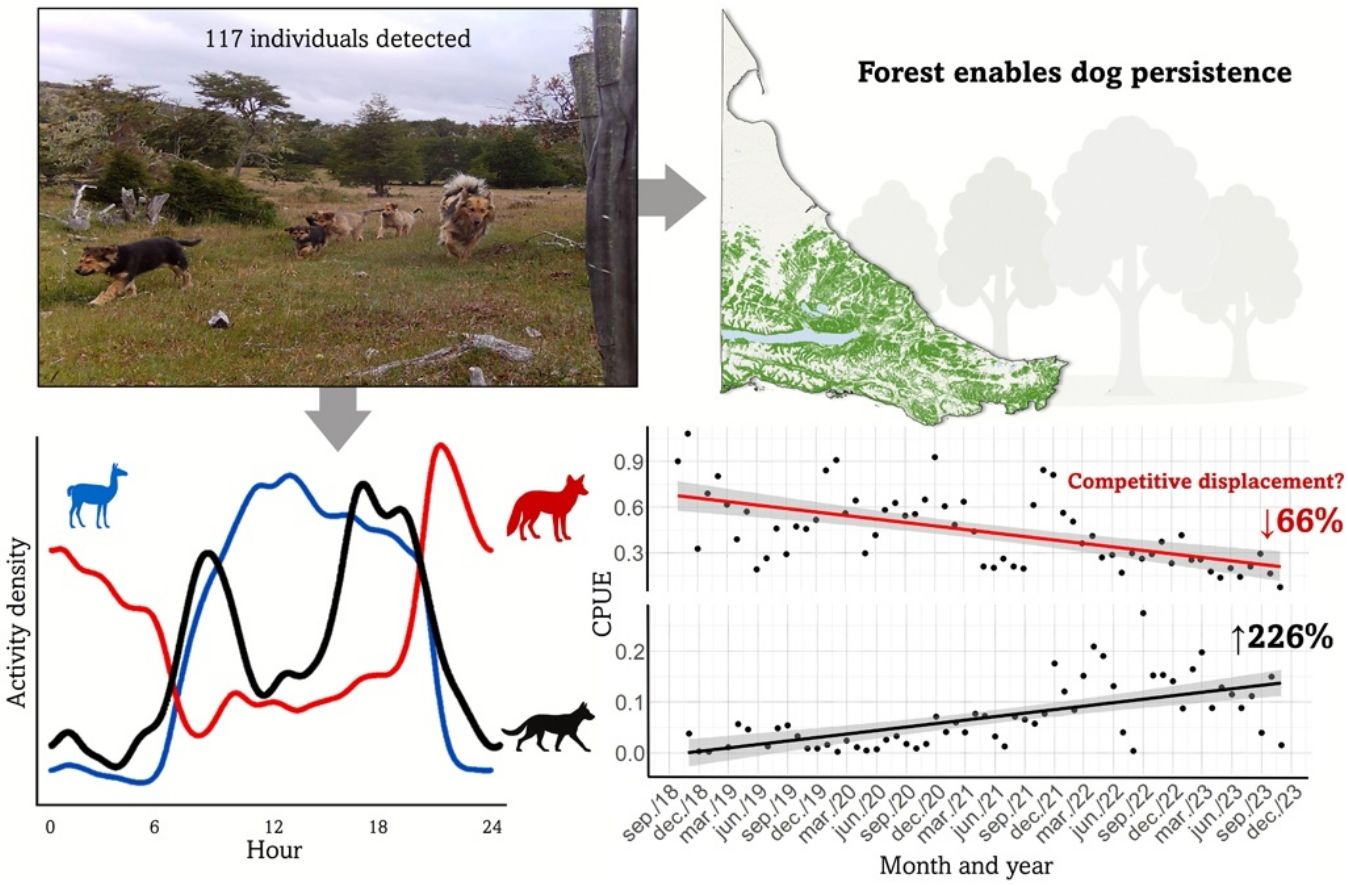
Unleashing the unknown: feral dog ecology and wildlife interactions in the southernmost island ecosystem
Emiliano Arona, Adrián Schiavini
Perspectives in Ecology and Conservation. 2026;24:408-15
Highlights
- •
117 feral dogs were identified in groups of up to nine individuals, with breeding hotspots observed in the south region.
- •
Dog detections increased 226% over 5 years, while chilla foxes fell 66%. The endangered culpeo fox was never recorded.
- •
Diurnal activity peaks in the morning and evening, with moderate-high temporal overlapping with guanacos.
- •
Chases and attacks on guanacos were recorded, as well as individuals with clear injuries caused by dogs.
- •
Forest patches may provide key refuge for sustenance and breeding.
Full text access
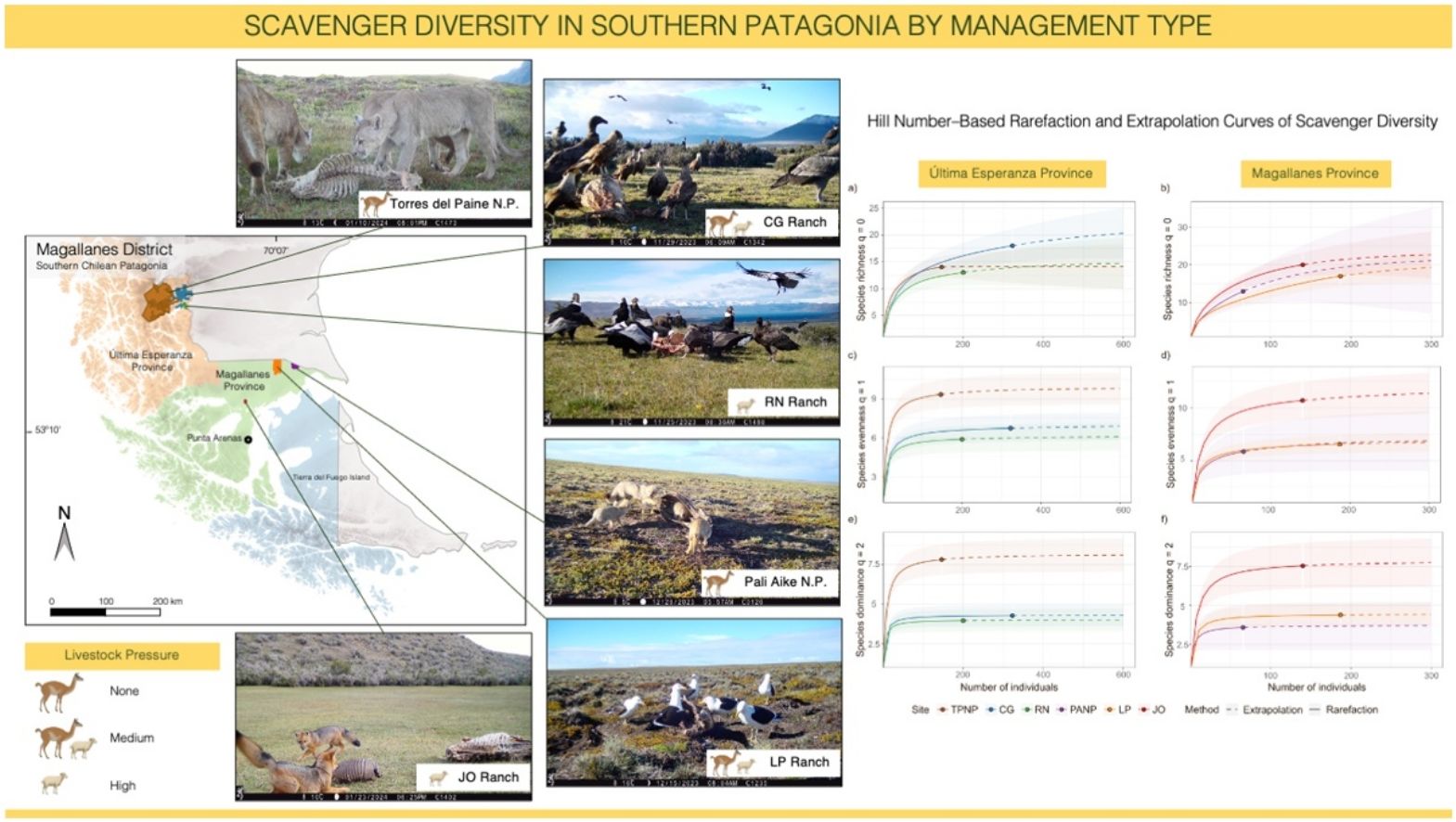
Large carnivores, dominant scavengers, and livestock management pressure shape carrion-associated vertebrates guilds in the Patagonian steppe
Marina Jiménez-Torres, Manuel Ruiz-Aravena, Rowena Hamer, Sergio Radic-Schilling, Paulo Corti
Perspectives in Ecology and Conservation. 2026;24:416-25
Highlights
- •
Large carnivores’ presence was associated with higher scavenger diversity and evenness in the Patagonian steppe.
- •
Dominant scavengers were associated with lower guild evenness through carcass monopolization.
- •
Livestock pressure was associated with variation in scavenger assemblages.
- •
Species identity and management context shaped scavenger guild structure.
- •
Patagonia supported a high richness of carrion-associated vertebrate (41 species).
Full text access
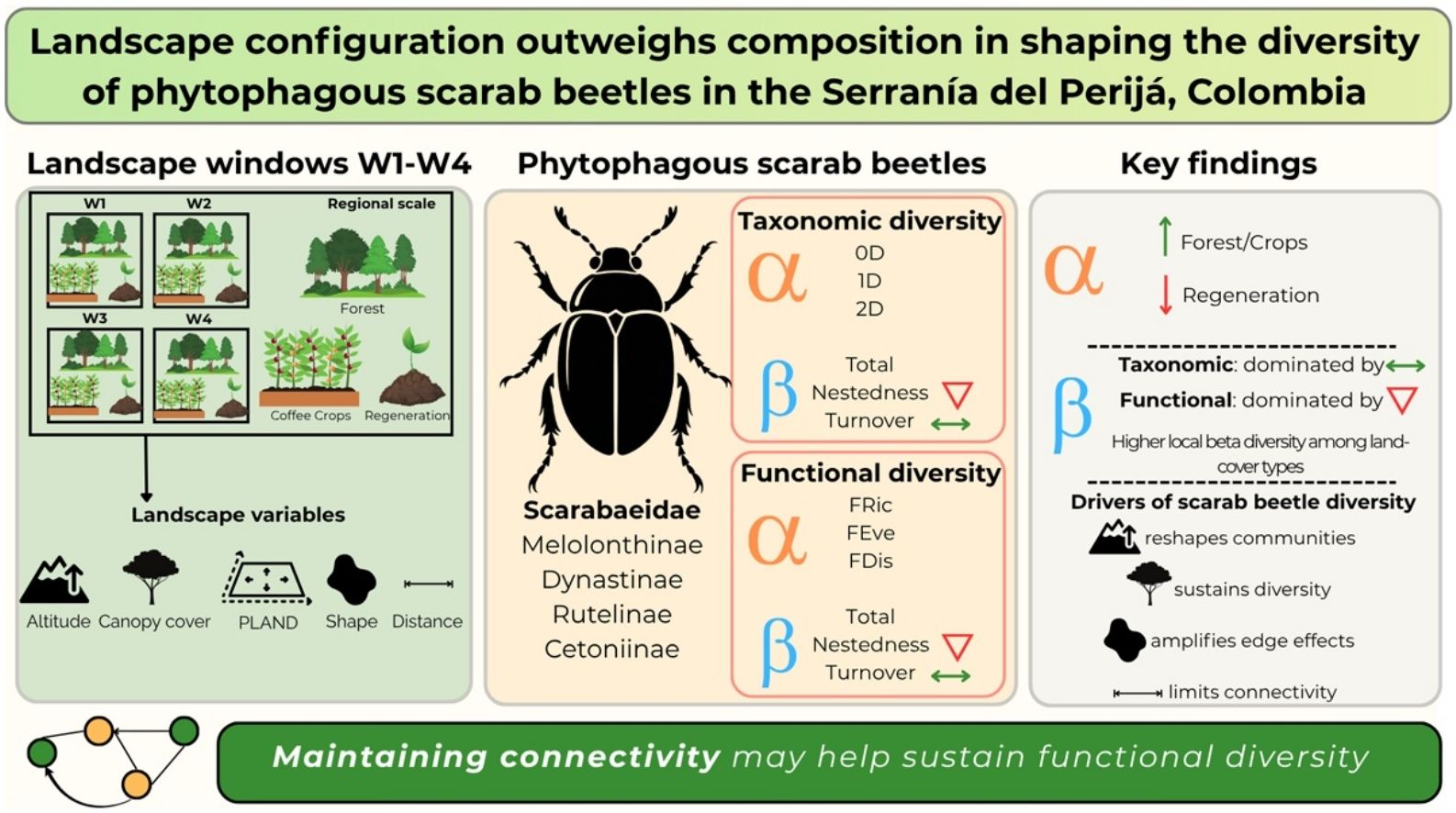
Landscape configuration outweighs composition in shaping the diversity of phytophagous scarab beetles in the Serranía del Perijá, Colombia
Sandy García-Atencia, María Argenis Bonilla, Yamileth Domínguez-Haydar, Claudia E. Moreno
Perspectives in Ecology and Conservation. 2026;24:426-33
Highlights
- •
Landscape configuration outweighed composition in shaping phytophagous scarab beetle diversity
- •
Regeneration areas showed lower functional evenness than other land-cover types.
- •
Taxonomic beta diversity was dominated by species turnover.
- •
Functional beta diversity was mainly driven by nestedness.
- •
Altitude and fragment isolation shaped richness across landscape contexts.
Full text access
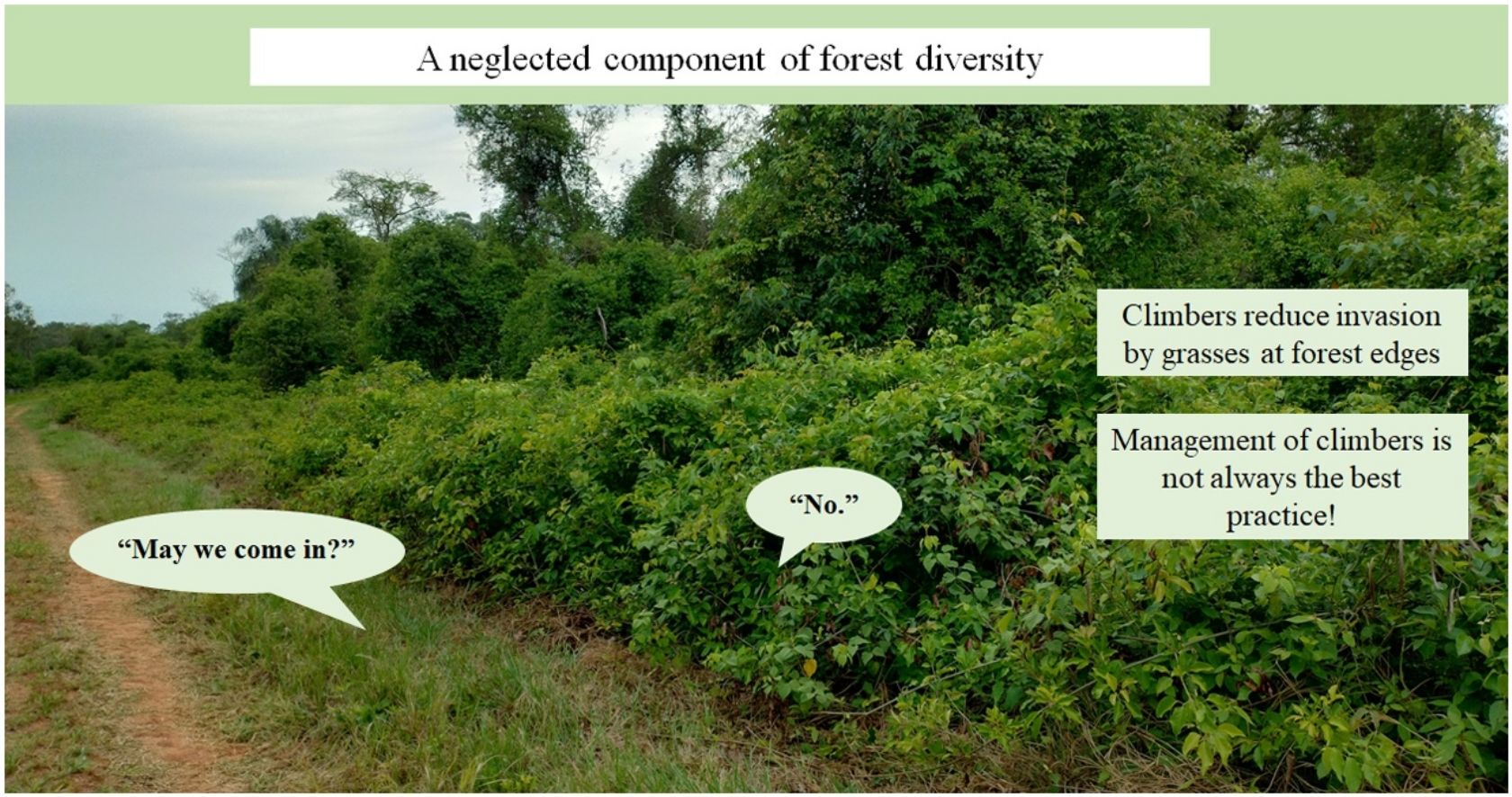
Natural living walls: protective role of native climbing species against invasive plants at forest edges
Juliano Zardetto, Tadeu Siqueira, Alessandra Fidelis
Perspectives in Ecology and Conservation. 2026;24:434-40
Highlights
- •
The edges of Atlantic Forest fragments are usually dominated by native climbers and invasive grasses.
- •
Climbers are often overlooked in forest surveys.
- •
Climbers provide protection against invasive grasses.
- •
Control or removal of climbers must be meticulously analyzed before execution.
Full text access
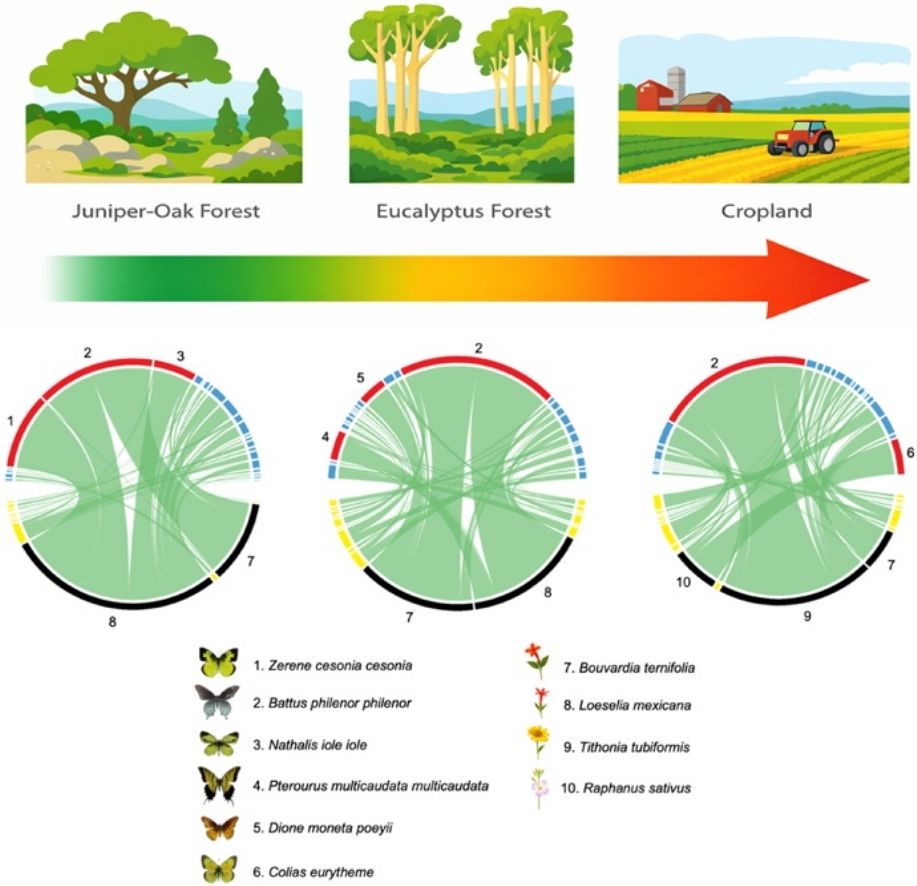
Abundance-driven processes best predict plant-butterfly network structure across a forest-to-agriculture gradient
Karla López-Vázquez, Carlos Lara, Pablo Corcuera, Citlalli Castillo-Guevara
Perspectives in Ecology and Conservation. 2026;24:441-51
Highlights
- •
Abundance-driven processes best predict butterfly-plant networks across disturbance levels
- •
Phenology becomes important in croplands with concentrated floral resources
- •
Generalist butterflies maintain consistent roles despite habitat modification
- •
Network nestedness persists but weighted interactions show different patterns
- •
Network structure persists while underlying assembly mechanisms shift with land-use
Full text access
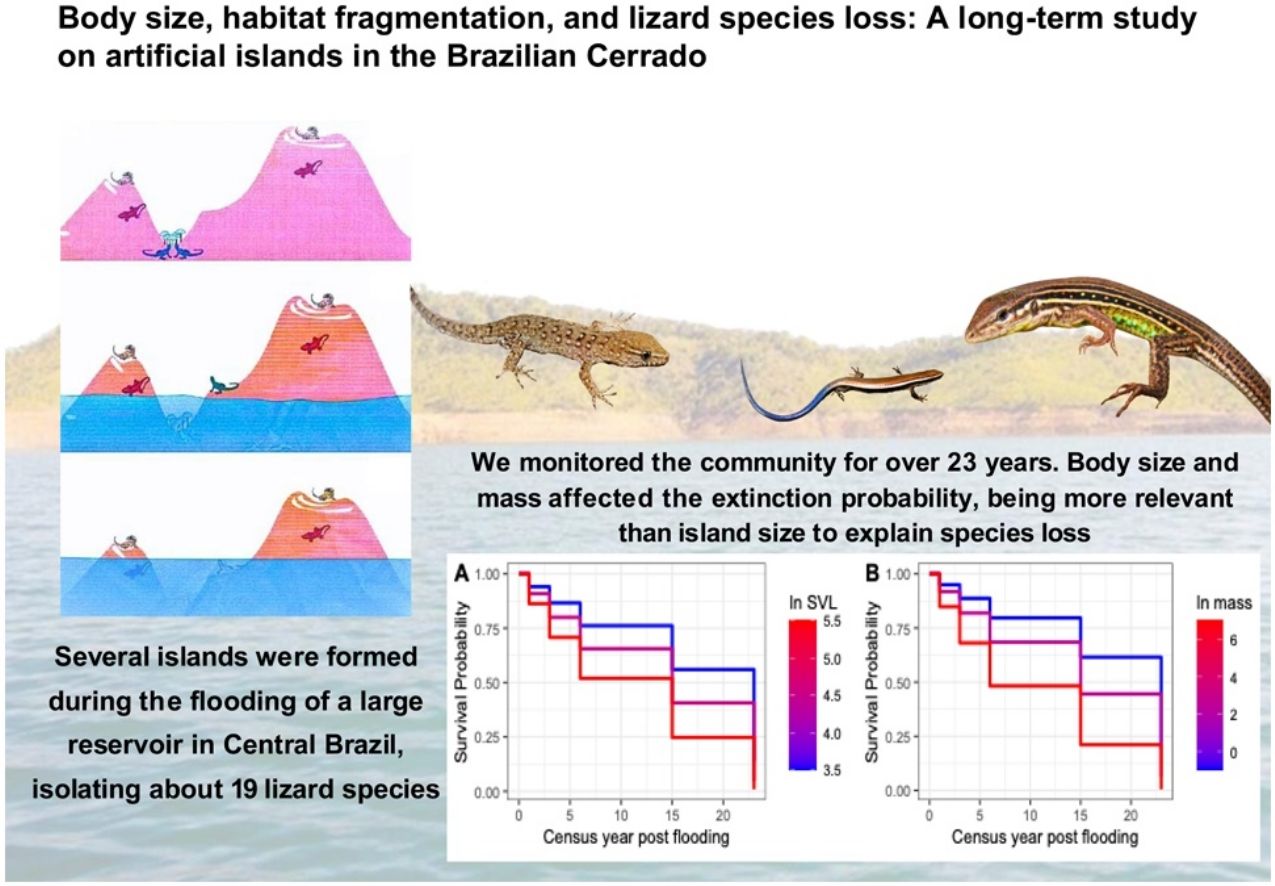
Body size, habitat fragmentation, and lizard species loss: A long-term study on artificial islands in the Brazilian Cerrado
Rogério B. Miranda, Karen C. Abbott, Ryan A. Martin, Reuber A. Brandão
Perspectives in Ecology and Conservation. 2026;24:452-9
Highlights
- •
Habitat fragmentation from flooding leads to biodiversity loss and species turnover.
- •
Land-bridge islands are useful models for studying biodiversity impacts from habitat changes.
- •
Over a 23-year study, the diversity of lizard species in the Serra da Mesa Dam area declined from 19 to six species.
- •
Large-bodied lizards decreased in abundance, raising extinction risks, while smaller-bodied lizards thrived.
- •
Conservation efforts should focus on fragment size to maintain species diversity.
Full text access


Publish in
Perspectives in Ecology and Conservation
